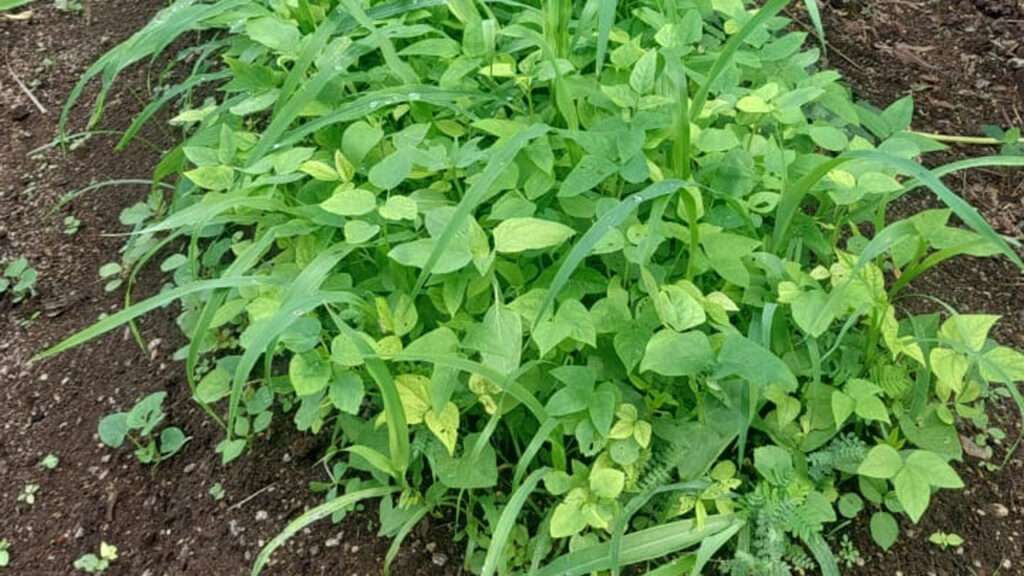
Profitable Mango Farming is Possible and Easy:
Lesson 1: Microorganisms in Crop Growth and Yield
Crop growth and yield depend on the plant’s ability to absorb nutrients from the soil through its roots. Plant roots can absorb only those nutrients that are soluble in water. However, many nutrients present in the soil are in insoluble forms. These exist in molecular form and become available to plants only when they are converted into ionic (water-soluble) form.
Microorganisms play a crucial role by converting these insoluble nutrients into water-soluble forms for their own use. Plants, in turn, obtain nutrients from the residues or dead bodies of these microorganisms. Therefore, the amount of nutrients available to crops is directly related to the number of microorganisms present in the soil.
In modern agriculture, the reduced use of farmyard manure and the excessive use of chemical fertilizers, pesticides, fungicides, and herbicides have significantly decreased the population of soil microorganisms. As a result, the availability of nutrients to crops has reduced, leading to poor growth and lower yields.
Increasing the number of soil microorganisms is the only effective way to improve crop growth and productivity.
In the next lesson, we will see how to increase the population of soil microorganisms.
Thank you
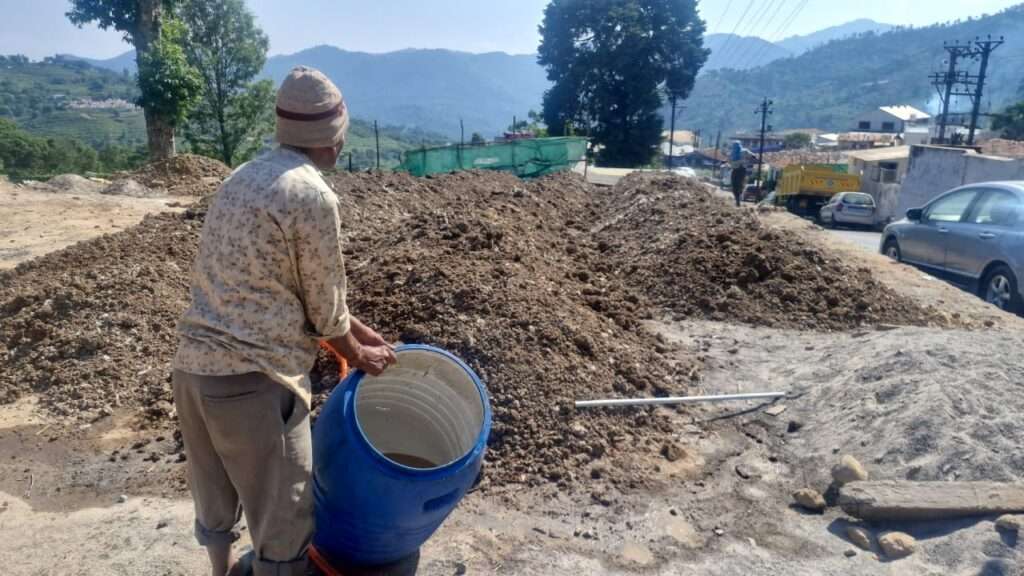

Greetings to all mango farmers, Profitable Mango Farming is Possible and Easy:
Lesson 2: Microorganisms – Types, Nutrition, and Multiplication
In the previous lesson, we learned that there is a direct relationship between the number of microorganisms in the soil and crop growth & yield. Therefore, increasing the population of soil microorganisms is the only way to improve crop growth and productivity.
In this lesson, we will understand the types of microorganisms, their nutritional needs, why they are not multiplying sufficiently in the soil, and how to increase and maintain them.
Microorganisms play a vital role in maintaining soil fertility by converting essential nutrients in the soil into forms that plants can absorb.
Compared to our farm soil, forest soil is much more fertile. Forest soil contains nearly 100 times more microorganisms than agricultural soil.
Various types of microorganisms live in the soil, including bacteria, fungi, actinomycetes, algae, protozoa, and nematodes. Among them, bacteria and fungi are the most abundant. Bacteria dominate both in number and diversity and can survive in all soil types and climatic conditions—even in low-fertility soils, high temperatures, and low moisture environments. In contrast, fungi require lower temperatures, higher moisture, and more fertile soil.
Bacteria are single-celled organisms, whereas fungi grow in a spreading form. In moderately fertile soil, the total biomass of bacteria and fungi is equal, but in highly fertile soil, fungi dominate. Fungi decompose complex organic matter, converting it into organic carbon and nutrients available to plants.
Bacteria multiply through binary fission (one mature cell divides into two). Under favorable conditions, this can happen every 15–20 minutes. If the bacterial population doubles, nutrient availability also doubles, leading to increased growth rate and higher yields.
However, in reality, this has not been happening for many years. Instead of increasing, crop growth and yield have been declining. This clearly indicates a continuous reduction in soil microorganisms.
Why are microorganisms decreasing?
Just like humans and plants, microorganisms also need all essential nutrients for their growth and multiplication. They are not getting sufficient nutrients from the soil, which is why their population is decreasing year after year.
Nutrients required by microorganisms:
Microorganisms obtain carbon, oxygen, hydrogen, and nitrogen from the soil and atmosphere. Their availability depends on climate conditions and rainfall.
These are the primary nutrients essential for both microorganisms and crops.
In addition, other nutrients such as phosphorus, potassium, magnesium, calcium, sulfur, and micronutrients like zinc, copper, iron, manganese, boron, molybdenum, and even trace heavy metals are necessary for growth and multiplication.
There is often competition between crops and microorganisms for these nutrients.
The farmland should act as a food source for microorganisms, not as a workplace. Nutrients should always be readily available in the soil so that microorganisms do not have to struggle to produce them. If microorganisms spend energy on decomposing materials for food, their multiplication rate decreases.
Key Nutrients Explained
Carbon:
Carbon is a major component of living cells. Microorganisms need large amounts of carbon to form new cells. Adding dry leaves, animal waste, and green manure increases soil organic carbon. However, during summer, high temperatures cause carbon loss to the atmosphere. If other nutrients are lacking, new microbial cells will not form even if carbon is present. Converting soil carbon into microbial biomass helps prevent carbon loss and stabilizes soil organic matter.
Nitrogen (N):
Next to carbon, nitrogen is essential for both plants and microorganisms. Although the atmosphere contains about 70% nitrogen, soil nitrogen is often insufficient. Much of it is used in decomposition or lost as ammonia and nitrates. Growing legume crops in crop rotation or intercropping helps increase nitrogen availability. Excess nitrogen without other nutrients can lead to pest attacks, so balancing nutrients is important.
Phosphorus (P):
Phosphorus is essential for root growth and yield. More than 70% of soil phosphorus is in unavailable form. Microorganisms convert it into available form using organic acids. Lack of soluble phosphorus affects microbial growth. Applying natural rock phosphate (18–22%) up to 2000 kg per acre can improve availability and microbial multiplication.
Green Manure:
Growing leguminous green manure crops (like sunn hemp and daincha) helps convert unavailable phosphorus into available forms, improving nutrient availability for both crops and microorganisms.
Potash (K):
Low availability of potassium and other minerals affects microbial growth. Oil cakes and processed ash can supply these minerals and support microbial multiplication.
Multi-Crop Sowing:
Growing multiple crops together helps convert unavailable nutrients into available forms through microbial activity.
Leaf Manure:
Growing trees like agathi, moringa, erukku, and gliricidia on bunds and using their leaves as manure increases phosphorus and mineral availability.
Bamboo EM & Pot EM:
Local soil microorganisms can be isolated, multiplied using jaggery, and reintroduced into the soil to increase microbial population.
Azolla Fertilizer:
Azolla grows rapidly and produces large biomass in a short time. Dry azolla contains nutrients in highly available form and supports microbial growth.
Amirtha Mitti (Enriched Soil):
This is prepared through multi-crop cultivation, resulting in nutrient-rich soil that enhances microbial multiplication.
Methods to Increase Soil Microorganisms
- Apply rock phosphate, oil cakes, and ash
- Use green manure crops like sunn hemp, daincha, gliricidia, moringa, agathi, and erukku
- Continuous use of Bamboo EM and Pot EM
- Apply azolla manure
- Use Amirtha Mitti
Using any one or a combination of these methods will significantly increase microbial population, leading to improved crop growth and higher yields.
Final Recommendations
Farmers are advised to try these methods on a small plot (1–10 cents) first, observe the results, and then apply them on a larger scale.
The goal is to convert soil carbon and minerals into billions of microbial cells. These microorganisms will continuously supply nutrients to crops through their residues and dead cells.
This approach will:
- Prevent nutrient loss
- Maintain long-term soil fertility
- Improve crop growth and productivity
- Reduce weeds, pests, and diseases
- Make farming easier, focusing mainly on harvesting
This is achievable only through proper multiplication and management of microorganisms.
Thank you
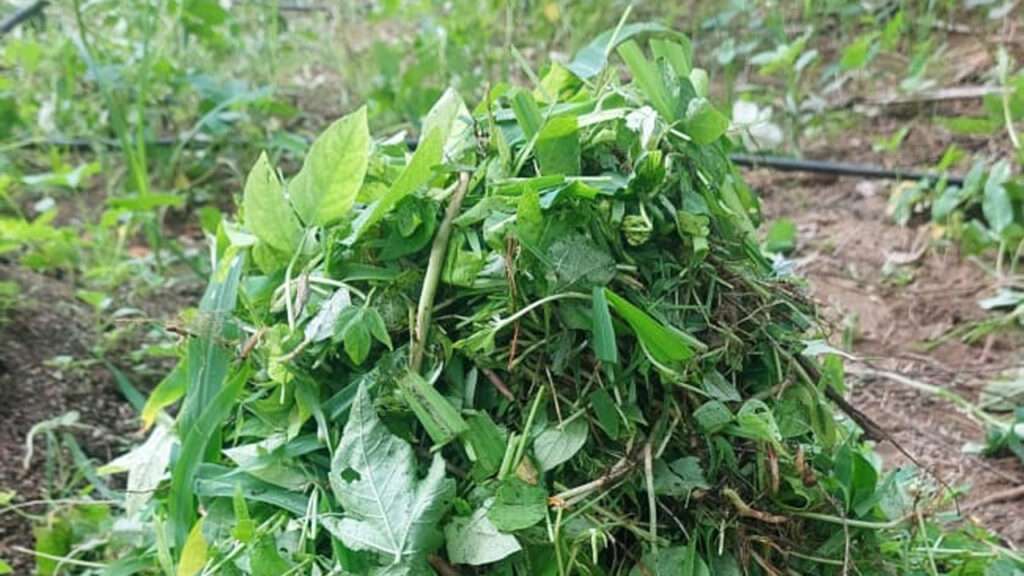

Profitable Mango Farming is Possible and Easy:
Lesson 3: Preparation of Bamboo EM
This is a method of isolating and multiplying native soil microorganisms from your farm using bamboo and rice.
1. Selection of Bamboo:
Select a hollow bamboo with 3 nodes and an inner diameter of 3–4 inches
There will be 2 chambers between the 3 nodes
Split the bamboo vertically into two halves
Mark the two halves to ensure proper matching later (to avoid mixing pairs)
2. Preparation of Rice:
Use the bamboo chambers to measure the required quantity of rice
Fill with raw rice or broken raw rice
Soak the rice in water for 4–5 hours
Drain the water completely
Fill the soaked rice into the bamboo chambers
Close the bamboo halves together and tie both ends using nylon or metal wire
3. Burying Bamboo in Soil:
Dig a pit under a well-grown tree, about 45 cm (1½ feet) deep and 4 feet in length and width
Place 3–4 bamboo pieces filled with rice horizontally, maintaining a gap of 2–3 inches between them
Cover completely with the dug-out soil
Moisten the surface and maintain moisture for 2 weeks
4. Collection and Multiplication of Microorganisms:
After 2 weeks, carefully dig and take out the bamboo pieces
Transfer the rice (now colonized with microorganisms) into a wide-mouth plastic container
Add an equal quantity of jaggery and mix well (do not add water at any stage)
Cover the container with a thick cloth (to prevent flies/insects) and keep it in a shaded place for 1 week
After 1 week, again add equal quantity of jaggery and mix
Repeat this process weekly to increase the EM quantity
Each time, ensure microbial growth—well-grown EM will have a fermented smell and semi-solid texture
You can multiply EM 3–4 times using jaggery
5. Method of Using Bamboo EM:
Take 5 kg of prepared EM and mix it in 200 liters of water
Apply it to one acre through drip irrigation, soil drenching, or by mixing with farmyard manure
Apply 5–10 times per crop or until the required microbial population is achieved
6. Benefits of Bamboo EM:
Rapidly increases soil microbial population in a short time
Enhances fungal population, which improves soil fertility and reduces weed growth
Improves nutrient availability, crop growth, and yield
Reduces pest and disease incidence
Leads to better quality produce and higher productivity
Helps crops withstand climate change and heat stress
Thank you


Profitable Mango Farming is Possible and Easy:
Lesson 4: Green Manure, Green Leaf Manure & Multi-Crop Sowing
1. Green Manure:
Green manure is the practice of growing crops (especially legumes) that produce a large amount of biomass in a short period and incorporating them into the soil at the flowering stage (full growth stage) to enrich soil fertility.
Common green manure crops include sunn hemp, daincha, horse gram, avuri, and kolunji.
Legume crops have the ability to absorb large amounts of phosphorus from the soil. They require high phosphorus for their growth and productivity and also contribute to phosphorus availability in our food.
Although they add carbon to the soil and fix atmospheric nitrogen with the help of microorganisms, their primary purpose is to increase the availability of phosphorus in the soil and improve crop yield.
These crops convert unavailable soil phosphorus into available forms through microbial activity and store it in their leaves.
About 20–30 kg of green manure seeds are sown per acre, and after 40–45 days, they are incorporated into the same field by ploughing.
This should be done 3–4 months before planting the main crop, as it takes time for decomposition and nutrient release.
If the main crop is planted immediately after green manure incorporation, phosphorus deficiency may occur, affecting crop growth and yield.
To avoid this, apply 200–1000 kg of rock phosphate per acre before sowing green manure crops.
2. Green Leaf Manure:
When it is not possible to grow green manure crops directly in the main field, trees like moringa, agathi, and gliricidia can be grown on field bunds.
Their leaves can be collected and mixed with neem, pungam, and erukku leaves, composted, and then applied to the field.
This increases nutrient availability for crops.
3. Multi-Crop Sowing:
A. Cereals:
Sorghum – 1 kg
Pearl millet – 1 kg
Finger millet – 1 kg
Maize – 2 kg
Paddy – 1 kg
Small millets – 1 kg
B. Pulses:
Black gram – 1 kg
Green gram – 1 kg
Cowpea – 1 kg
Horse gram – 1 kg
Chickpea – 2 kg
Pigeon pea – 1 kg
Field beans/peas – 2 kg
C. Oilseeds:
Sesame – 1 kg
Groundnut – 3 kg
Sunflower – 1 kg
Castor – 3 kg
Soybean – 2 kg
Mustard – 1 kg
D. Green Manure Crops:
Sunn hemp – 1 kg
Daincha – 1 kg
Avuri – 1 kg
Horse gram – 1 kg
Kolunji – 1 kg
E. Leafy Greens:
Amaranthus (sirukeerai) – 100 g
Arai keerai – 100 g
Thandu keerai – 100 g
Paruppu keerai – 100 g
Spinach – 500 g
Pulicha keerai – 500 g
F. Spices:
Mustard – 250 g
Fenugreek – 250 g
Cumin – 250 g
Fennel – 250 g
Coriander – 500 g
Chilli – 100 g
All these can be mixed together or at least 4–5 types from each category and sown per acre.
After 45–60 days, depending on growth, incorporate them into the soil by ploughing.
The main crop should be planted 2–3 months after this process.
Pre-Application (Before Multi-Crop Sowing):
Rock phosphate: 200–1000 kg/acre
Oil cake (castor cake): 100–500 kg
Ash: 100–200 kg
Farmyard manure: 2000–5000 kg
While growing, multi-crops convert insoluble nutrients in the soil into soluble forms with the help of microorganisms and return them to the soil through their biomass.
If this process cannot be carried out, the Amirtha Mitti method can be used as an alternative.
Thank you
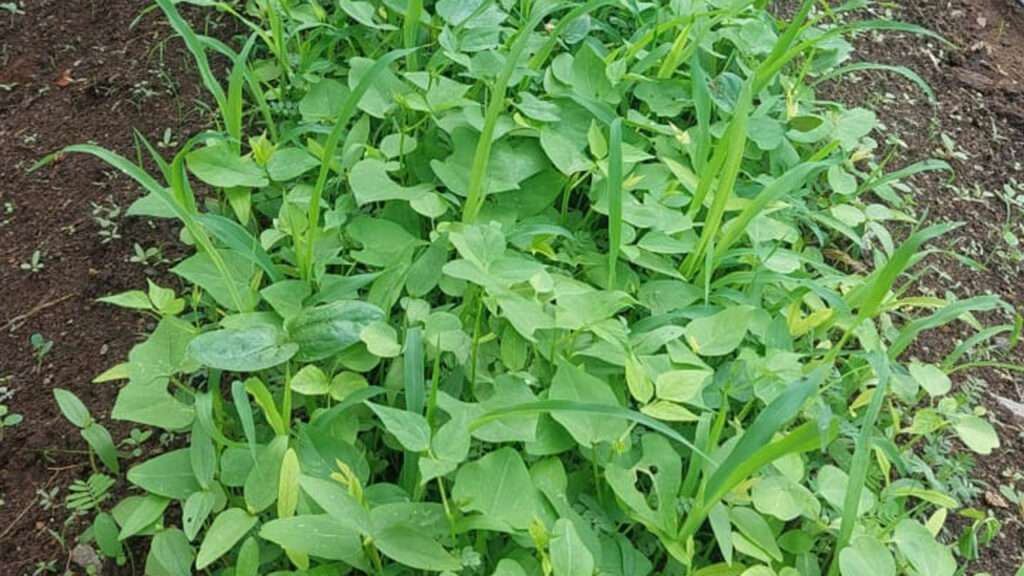

Profitable Mango Farming is Possible and Easy:
Lesson 5: Azolla – An Excellent Fertilizer
Green Gold: AZOLLA (Green Gold – Azolla)
- Azolla is commonly considered a biofertilizer only for paddy crops and is also used as feed for poultry and livestock.
- It has rarely been used as a fertilizer for other crops.
- If a farmer has a small piece of land with water availability, Azolla can be produced and used as fertilizer for crops other than paddy as well.
- The same small land can also be used for continuous paddy cultivation.
- Under favorable conditions, a farmer can produce 15–20 tons of fresh Azolla in 3–4 months on one acre of land.
- In one year, about 5 tons of dry Azolla can be produced per acre, which is equivalent to 50 tons (about 20 tractor loads) of farmyard manure.
- Proper knowledge and experience in Azolla cultivation are essential to achieve this yield.
Requirements for Azolla Growth:
- Partial shade (can be grown under a shade net)
- Ideal temperature around 25°C
- Cow dung or farmyard manure
- Mineral phosphorus
- Potash (ash)
- Instead of using expensive bone meal or animal-based fertilizers, using Azolla meal (dry Azolla) is more economical and gives better results in farming.
Nutrient Content of Azolla:
- Nitrogen: 4–5%
- Phosphorus: 0.5–0.9%
- Potassium: 2–4.5%
These nutrients serve as rich food for both soil microorganisms and crops.
Conclusion:
Azolla is a complete, cost-effective, and highly efficient organic fertilizer. Farmers are encouraged to continuously produce Azolla on their farms and use it for all crops to improve soil fertility, increase microbial activity, and significantly enhance crop yield.
Thank you